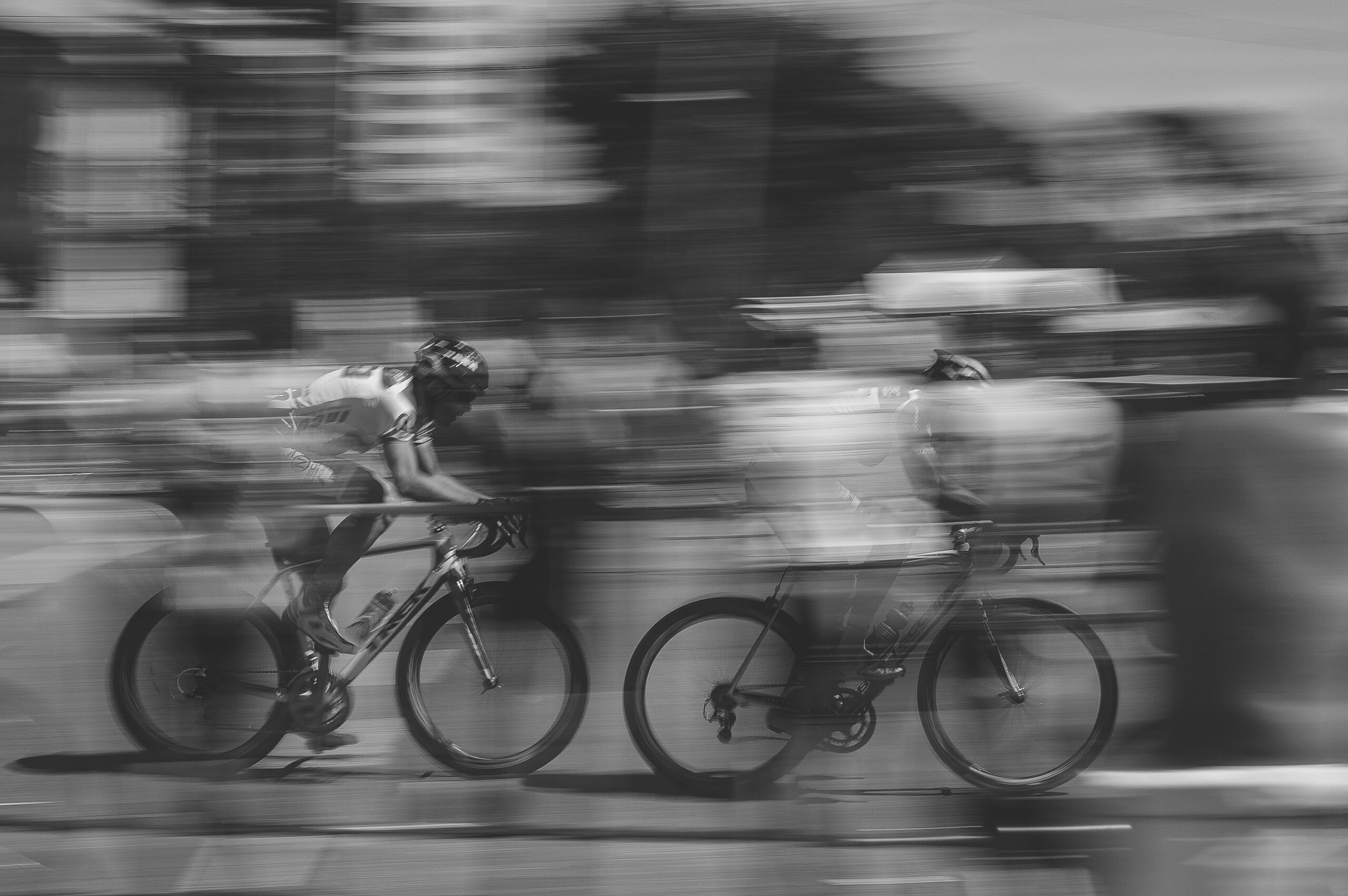
With base training underway, it’s time to focus on your 2026 race calendar and plan around your most important events. Analyze each key race—the course profile, distance, how long you’ll be riding, and what physical demands it will place on you—then design your training to develop the specific abilities you’ll need to perform at your best.
Small Improvements Add Up
Focus on what you can control: your training type, how much and how hard you ride, managing your weight, and your nutrition both during rides and for recovery. Improving just one area won’t transform your performance, but making small gains across several areas—your aerobic capacity, threshold power, sprint ability, and riding efficiency—creates significant overall improvement.
Test Your Fitness and Target Your Weaknesses
Start by establishing where your fitness currently stands through FTP testing, lactate testing, or a maximum power test. Then identify what’s holding you back for each event type—whether that’s holding steady power for time trials, being able to attack and recover repeatedly in road races, or having the explosive power for criteriums and sprints. Once you know your limiters, you can train specifically to improve them.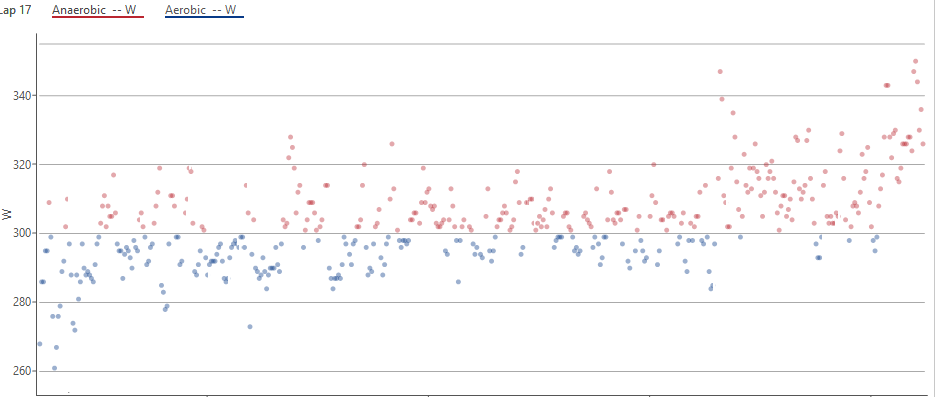
The Final 8-Week Push
Count back 8 weeks from each key event—this is your race-specific training window. Eight weeks gives you enough time to sharpen your peak fitness through high-intensity intervals and race-pace efforts that match what you’ll face on race day.
Build on a Solid Foundation: 12-16 Weeks of Base Training
This focused race preparation only works if you’ve built a proper aerobic foundation first. That means 12-16 weeks of base training to improve your endurance, riding efficiency, and overall engine. This foundation is what allows you to handle the harder training later and reach the performance level you need for your race goals.